

Federal science funding falters, but local museums and zoos fill the gap
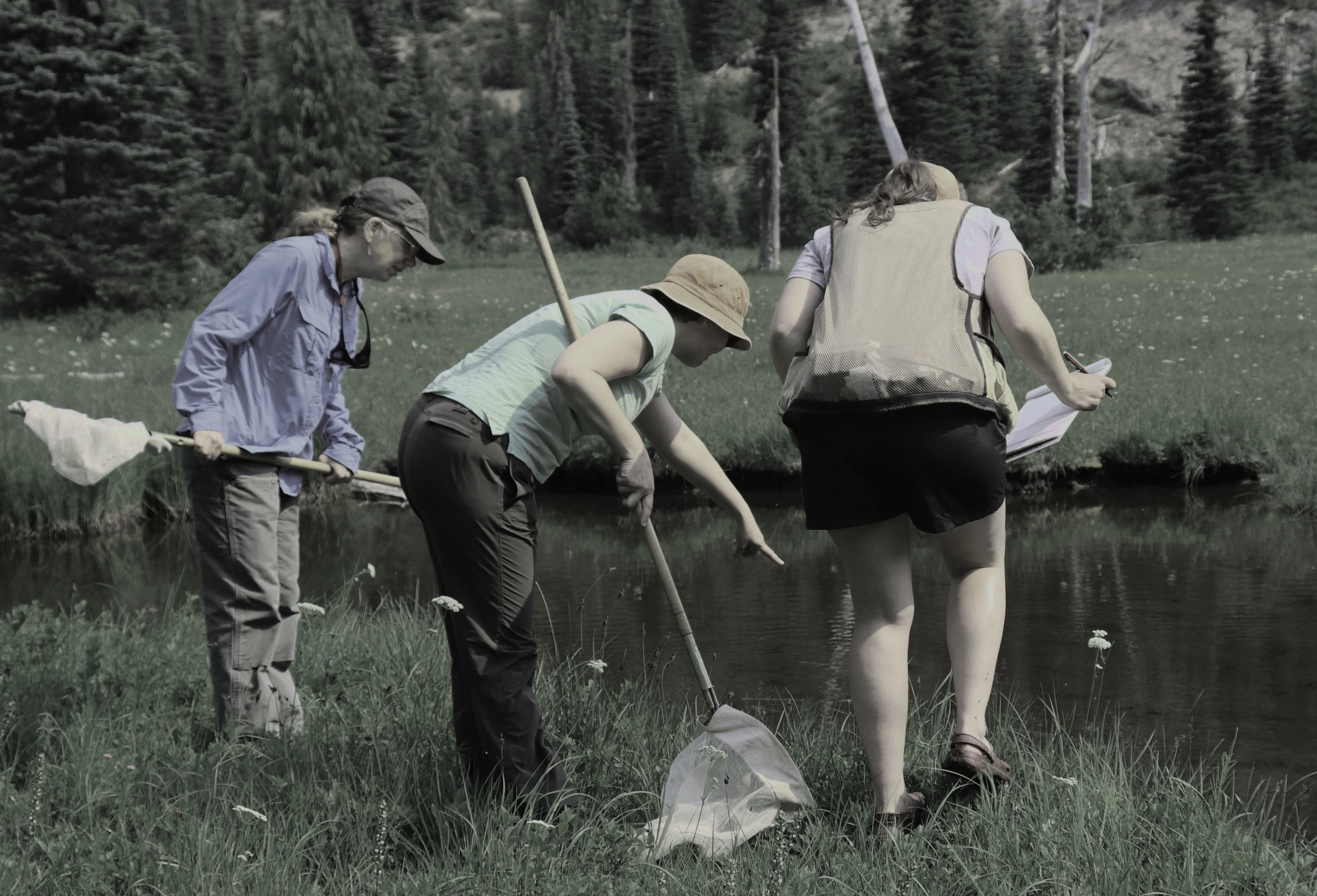
Citizen Science Coordinator and volunteers spot a frog in the pond. NPS Photo by Ivie Metzen. Photo courtesy of Wiki Commons.
When federal funding collapses, museums and zoos—bridge institutions—step in, turning visitors into research partners and keeping environmental work alive.
LOS ANGELES, CA, UNITED STATES, August 28, 2026 /EINPresswire.com/ -- Dr. Phillip Levin was leading the United States’ first national-level assessment of the state of nature in January 2025 when he received a call from a Trump administration official ordering him to halt the project. The decision ended two years of government-backed work involving roughly 200 scientists and a nearly completed scientific report.
Levin left government and founded the nonprofit Nature Record to complete and publish the assessment independently. In spring 2026, The Nature Record took its work on tour, stopping largely at bridge institutions—museums, zoos, botanical gardens and similar organizations that connect professional research with the public.
Newsjunkie’s Prairie Fire initiative has now published an investigation by senior reporter Morgan Kriesel examining how these institutions have long supported scientific research—and why their model may be increasingly important as federal science funding and infrastructure become less dependable.
Kriesel began reporting the story after attending The Nature Record event at the San Diego Natural History Museum. His investigation found that the role bridge institutions play in science is hardly new.
The California Academy of Sciences, for example, was founded in 1853 by nonprofessional science enthusiasts and soon contributed to early efforts to document North American plant life. Today, it continues that tradition through projects including iNaturalist, the global biodiversity platform it co-hosts.
Anyone can submit wildlife observations to iNaturalist, contributing to what California Academy of Sciences biologist Dr. Rebecca Johnson described as one of the world’s most important biodiversity datasets. Its global network of volunteers gives professional researchers access to observations at a scale they could not easily collect on their own.
Over at the San Diego Natural History Museum, Dr. Michelle Thompson similarly brings community scientists into experimental research, including efforts to determine whether spiderwebs can capture environmental DNA from surrounding wildlife.
For Thompson, that participation does more than increase research capacity. It can also change how people relate to science and the natural world.
“All across the board, it’s just that people don’t have the information to interact with these spaces,” Thompson said. “When they come out with us, it opens up a door. Like, ‘Oh, I can do this.’”
That direct relationship with the public may give bridge institutions an advantage at a time when federally supported science is under pressure. Community participation can expand data collection, while museums, zoos and botanical gardens also maintain sources of public support through admissions, memberships, philanthropy and other revenue.
The model depends, however, on treating community scientists as genuine participants rather than simply as sources of free labor. Johnson said properly crediting iNaturalist contributors in scientific publications is one way to recognize their role. Thompson and the San Diego Natural History Museum send participants personalized summaries showing how their contributions were used.
“In the end, we are beholden to the public,” Johnson said. “If we work closely with the public ... we will continue to be spaces where we can do good science.”
Because public engagement is central to their mission, bridge institutions can cultivate sustained relationships between scientists and the communities they serve. Kriesel’s reporting suggests those relationships could offer a useful model for independent and post-government research projects seeking both public trust and durable support.
“Bridge institutions combat anti-intellectualism by creating space for the public within science,” said Kriesel. “That may be the path that the research field needs to take in order to survive, post-government.”
The Nature Record is already moving in that direction. Speaking at the San Diego Natural History Museum, Levin closed his presentation with an invitation:
“Our work continues, and you are invited to join us.”
Peter Landau
Newsjunkie.net
+1 424-256-2902
email us here
Visit us on social media:
LinkedIn
Bluesky
Instagram
YouTube
X
Other
Legal Disclaimer:
EIN Presswire provides this news content "as is" without warranty of any kind. We do not accept any responsibility or liability for the accuracy, content, images, videos, licenses, completeness, legality, or reliability of the information contained in this article. If you have any complaints or copyright issues related to this article, kindly contact the author above.
